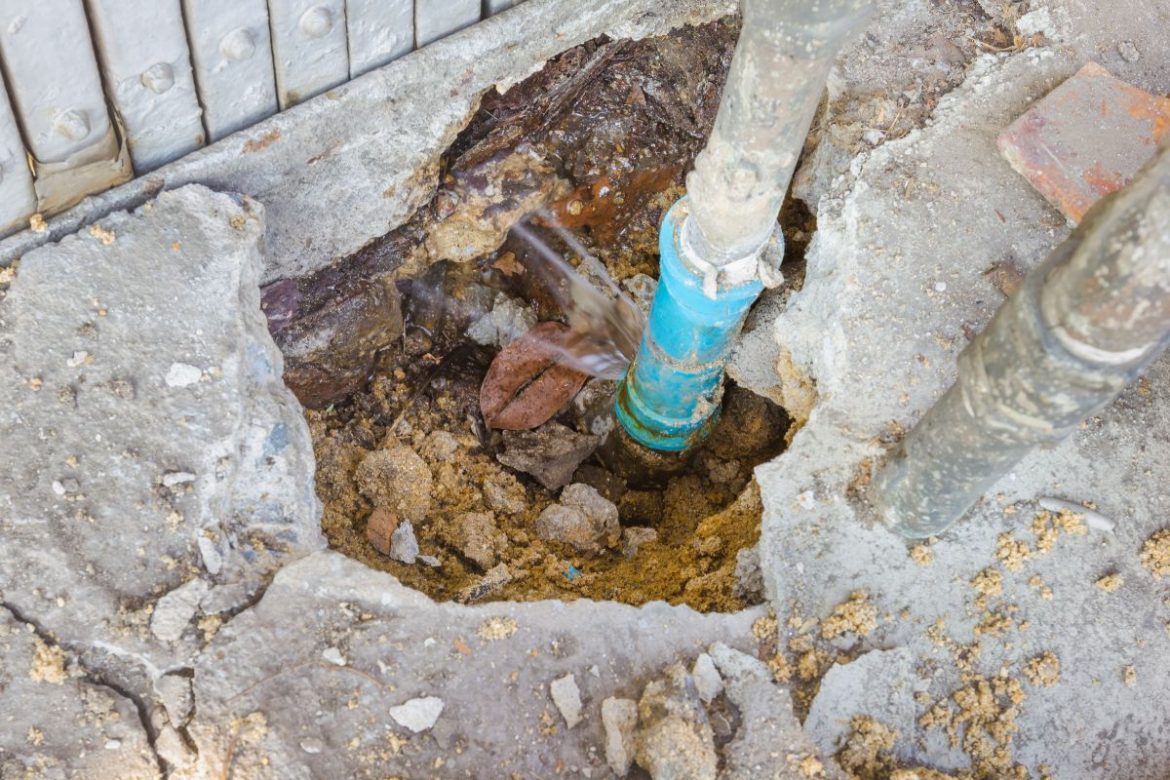
A water leak can go unnoticed for several days, or even several weeks, when it’s behind a wall, under a floor, or in a concealed pipe. However, even a small leak can lead to increased water consumption and cause significant damage. Knowing how to detect a water leak quickly therefore helps limit the consequences and take action before the situation worsens. There are several warning signs to look out for, and certain methods can help you pinpoint the exact source of the problem.
How can you detect a water leak yourself?
You can perform a few simple checks before calling a professional. One method is to read your water meter when all water-using appliances are turned off. After several hours—or ideally during a period when no one is using water—simply check to see if the reading has changed.
If the meter continues to register usage even though all faucets are turned off and appliances are not running, this may indicate a leak in the plumbing system.
It’s also a good idea to check areas where leaks are common: under sinks, around toilets, near the water heater, or at pipe connections. These simple checks can help you detect a visible water leak and take action quickly.
What should you do when a leak is hard to locate?
Some leaks are much harder to detect. A pipe may be embedded in a wall, hidden under a floor, or buried. In such cases, visible signs may appear far from where the leak is actually located.
To detect an invisible water leak, it’s best to call in a professional who specializes in leak detection. They have equipment that can analyze changes in humidity and temperature, as well as certain phenomena related to plumbing systems.
Professional inspection allows for precise targeting of the affected area and can prevent unnecessary destructive work. Instead of dismantling several components to find a water leak, the specialist can pinpoint the exact area where intervention is needed.
Why is it important to act quickly when a leak occurs?
Detecting a water leak quickly helps, above all, to limit the damage. A leak that goes on for too long can damage walls, ceilings, floors, or structural components of the building. Persistent moisture can also promote mold growth.
A major leak can also lead to high water consumption. Even a small, continuous leak can result in a considerable amount of water over several weeks.
As soon as an unusual sign appears, it’s best to check the plumbing. If a leak is confirmed and cannot be repaired immediately, turning off the water supply may help temporarily limit the damage, depending on the situation.
Detecting a Water Leak to Avoid Unpleasant Surprises
In conclusion, detecting a water leak at the first sign helps protect your home and limit repair costs. Unusual water usage, signs of moisture, a persistent odor, or the sound of running water should raise a red flag. You can perform initial checks yourself, particularly around the water meter and visible connections. When the leak is hidden or difficult to locate, calling in a specialized professional allows you to pinpoint its source accurately. Acting quickly is therefore the best way to prevent a small leak from turning into a major problem.